When someone is diagnosed with ALS (Amyotrophic Lateral Sclerosis), the influx of information can feel overwhelming. Between internet searches, medical jargon, and well-meaning but misinformed comments, separating reality from fiction isn’t always easy. For our gaming and creator community, building a supportive environment starts with understanding what this disease actually is—and what it isn’t.
Misconceptions about ALS can lead to unnecessary fear, isolation, and delayed care. To help clear the air, let’s dismantle some of the most common myths surrounding ALS and replace them with the clear, medical facts.
Myth 1: ALS is a muscle disease.
- The Fact: ALS is actually a progressive neurodegenerative disease.
While the most visible symptoms of ALS involve muscle weakness and atrophy, the root cause lies within the nervous system. The disease specifically targets motor neurons—the specialized nerve cells in the brain and spinal cord that transmit signals to your muscles. When these motor neurons degenerate and die, the brain loses its ability to initiate and control voluntary muscle movement. The muscles themselves are not inherently diseased; they simply stop receiving the signals they need to function, causing them to weaken and waste away over time.
Myth 2: ALS is contagious or caused by lifestyle choices.
- The Fact: ALS is not contagious, nor is it linked to dietary or routine lifestyle habits.
You cannot “catch” ALS from being around someone who has it, nor is it caused by physical injury, poor diet, or stress. Approximately 90% to 95% of all ALS cases are classified as Sporadic ALS, meaning they occur randomly without a clear, known cause or family history. The remaining 5% to 10% are Familial ALS, caused by inherited genetic mutations passed down through families. Researchers continue to study potential environmental triggers, but ALS is fundamentally non-communicable.
Myth 3: ALS only affects older men.
- The Fact: ALS can strike anyone, regardless of age, gender, or demographic.
While it is true that statistics show a slightly higher incidence rate in men and that symptoms often manifest between the ages of 40 and 70, ALS does not discriminate. Women make up a massive portion of the ALS community, and young adults in their 20s and 30s can also develop juvenile or early-onset forms of the disease. Assuming someone is “too young” to have ALS often leads to delayed diagnoses for younger patients who are initially dismissed.
Myth 4: A diagnosis means life stops immediately.
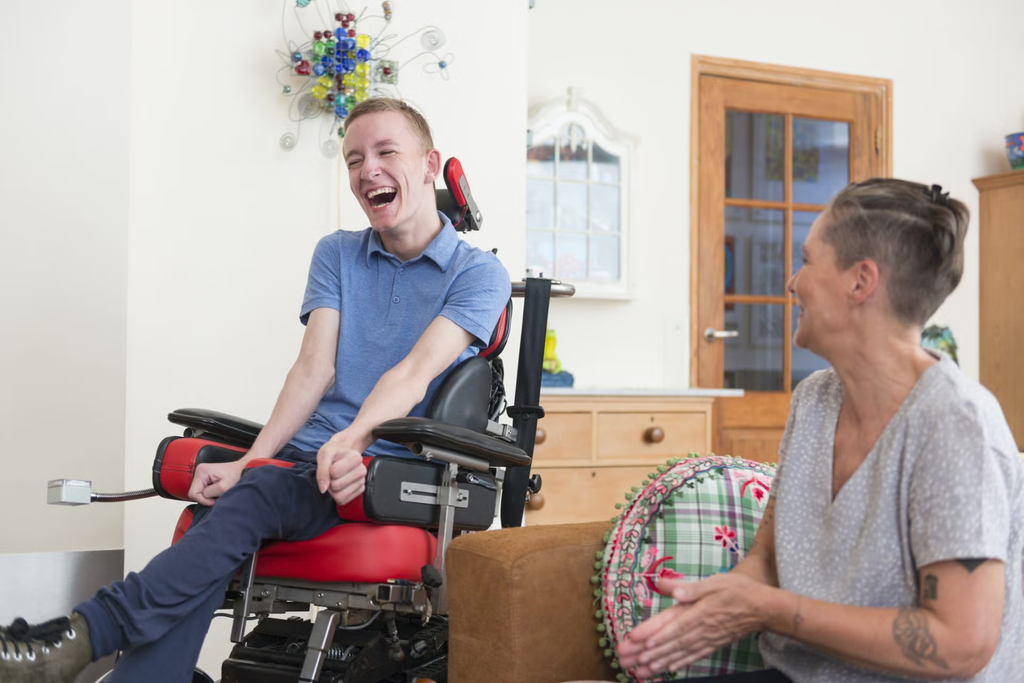
- The Fact: While ALS is life-altering, many individuals lead active, fulfilling, and impactful lives for years after diagnosis.
The progression of ALS varies wildly from person to person. While the average life expectancy following a diagnosis is 2 to 5 years, some individuals live for 10, 20, or more years. With modern adaptive technology—such as eye-tracking devices, speech-generating software, and motorized mobility aids—people with ALS continue to work, create content, advocate, and connect with loved ones. Advocacy groups and creator events (like our own community marathons) exist precisely because people living with ALS continue to inspire and lead powerful lives.
Myth 5: Nothing can be done to help someone with ALS.
- The Fact: While there is currently no cure, there are effective treatments, therapies, and support systems that significantly improve quality of life.
It is a common misconception that doctors simply give a diagnosis and send patients home. Today, FDA-approved medications can help slow disease progression or manage symptoms. Furthermore, multidisciplinary care teams—consisting of physical therapists, occupational therapists, speech-language pathologists, and respiratory specialists—help individuals maintain independence for as long as possible. Beyond medicine, community support, fundraising for assistive technology, and equipment-sharing programs make a tangible difference in daily living for families navigating an ALS journey.
Knowledge is Our Greatest Tool
Empathy begins with accurate education. By breaking down these myths, we strip away the stigma and confusion that so often surround neurodegenerative conditions. Whether you are hosting a charity stream, supporting a friend, or simply expanding your own awareness, sharing the truth about ALS helps build a more informed, compassionate world for everyone living with the disease.


0 Comments